Selecting Window Shutters: A Combination of Practicality and Visual Appeal
Window shutters, which combine aesthetic appeal with functional use, have long been a part of both traditional and modern architecture. Although their primary use in the past was to protect dwellings from the elements and invaders, they have now developed into fashionable and functional additions to both residential and commercial structures.
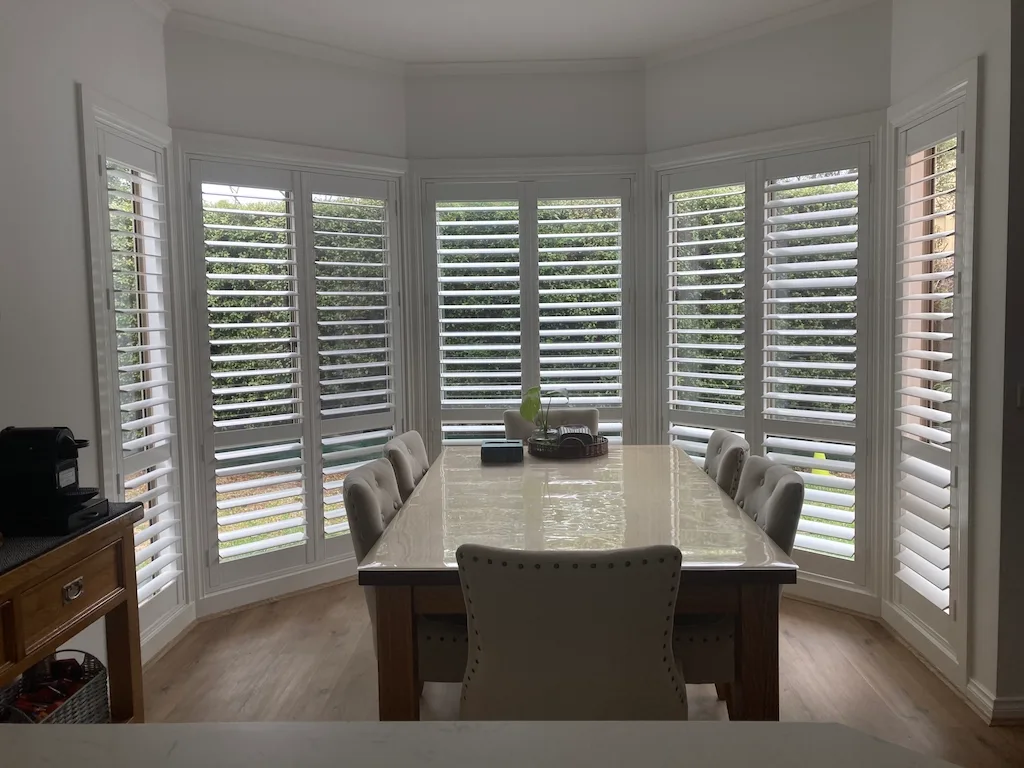
These days, hinge screws for shutters are essential for identifying a property's personality and improving its aesthetic appeal while offering light control, privacy, and insulation. Window shutters may improve the ambience of your home, whether you live in an urban flat or a cottage by the sea.
Providing Light Control and Privacy
Many homeowners, particularly those in densely populated areas, place a high value on privacy. Shutters for windows provide a flexible answer to this problem. In contrast to curtains or blinds, which would need to be pulled all the way to offer seclusion, shutters allow you to manage natural light and visibility. This lets homeowners take advantage of the daylight while still enjoying their environment without feeling exposed.
Shutters are a great window treatment, especially in bathrooms and bedrooms. When necessary, they provide complete coverage, but they may also be partially opened to let in filtered light or fresh air. They are better than many other window coverings because of their versatility, particularly in spaces where ventilation and seclusion are crucial.
Defending Against the Weather
Additionally, window shutters are quite good at shielding houses from inclement weather. Traditional external shutters can be closed to protect windows from wind, rain, and flying debris in coastal or storm-prone areas.
Shutters offer storm protection as well as sun damage mitigation. Indoor artwork, carpeting, and furniture can all deteriorate from prolonged exposure to UV radiation. In order to prevent damaging sunlight from causing long-term damage to your interiors, shutters serve as a barrier.


